New FDA Guidance to Support Ultra-Rare Disease Drug Development
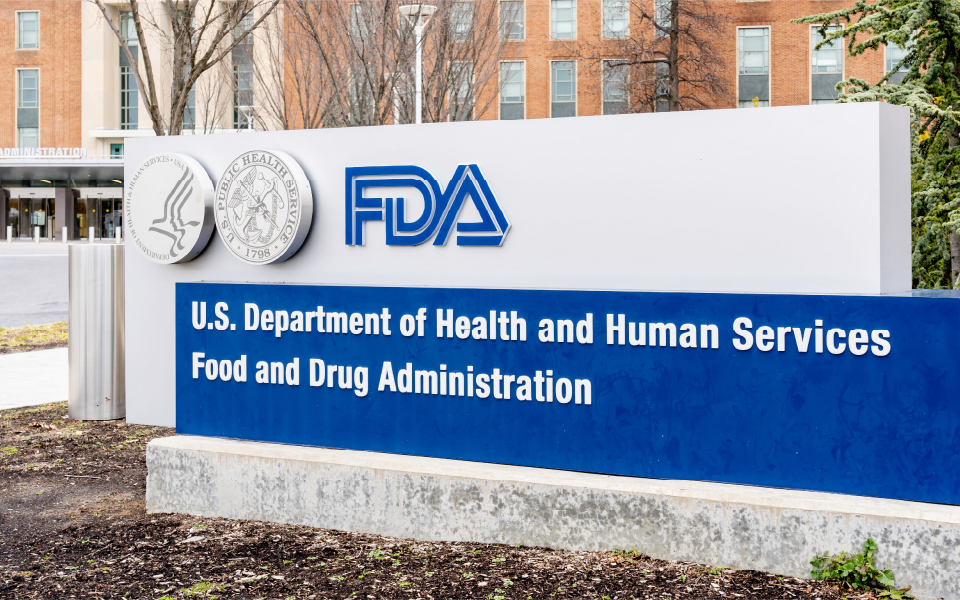
Antisense oligonucleotide (ASO) drug products target a specific sense mRNA to modulate gene expression in living cells and have been used successfully to treat diseases where the pathogenic mutation has been identified.
For patients with an ultra-rare genetic disease, development of an individualized ASO drug product tailored to that patient’s specific genetic variant may be the only viable therapeutic option.
One hurdle to the development of such drugs for very small patient populations, which may consist of only 1 or 2 identified patients, has been the lack of a clear regulatory pathway.
The FDA’s newest recommendations on clinical and CMC considerations for Investigational New Drug (IND) applications for the development of individualized ASO drug products for severely debilitating or life-threatening diseases join ASO guidance from earlier last year to further clarify the regulatory pathway for diseases identified in very few patients.
These guidances will help establish a functional regulatory environment by providing clear administrative and procedural, preclinical, manufacturing, and clinical regulatory guidance to support ongoing efforts to discover and develop these life-changing treatments for ultra-rare patient populations.
See a list of recent FDA ultra-rare disease recommendations and guidance for individualized antisense oligonucleotide drug products intended to treat severely debilitating or life-threatening genetic disease:
This draft guidance outlines the administrative and procedural aspects of interacting with FDA on development programs for individualized ASO drug products.
This draft guidance outlines the nonclinical information the FDA recommends to support an IND application for an individualized ASO drug product.
This draft guidance outlines the clinical considerations for an IND submissions to support the initial and continued administration, dosing, and clinical monitoring of an individual with an individualized ASO drug product.
This draft guidance outlines the recommendations regarding the CMC information to support an IND application for an individualized ASO drug.
by Dr. Amanda Beaster, Senior Manager of Regulatory Strategy
MMS Support for Ultra-Rare Disease
In addition to our extensive experience across various rare disease indications, MMS launched a pro-bono support program aimed at advancing research for rare diseases. Within this program, MMS will select from patient advocacy groups to provide complimentary regulatory assistance.
To apply for support, complete and send an application to the attention of the “Ultra-rare disease Assistance Program” by emailing media@mmsholdings.com. For details on MMS rare disease expertise, visit https://www.mmsholdings.com/rare-disease/.
Suggested For You

perspectives
July 30th, 2024
The Critical Role of Quality Control (QC) – Medical Writing and Beyond
perspectives
July 23rd, 2024
PSI 2024 Ignited Conversations on External Data Sources, Requirements for Estimands, and Bayesian Methodology for Statisticians in Pharma

perspectives
July 16th, 2024
Key Steps to Successful CMC Authoring of IND and IMPD Submissions

perspectives
July 9th, 2024
Managing RTOR Submissions: How to Run a Successful Race from the Top Line Starting Line

perspectives
July 2nd, 2024
Part 1: RWD Noninterventional Study Design and FDA Engagement Opportunity for Early Stage Oncology

perspectives
June 21st, 2024
Peer-Reviewed Journal Articles: The Crucial Role of Publication in the Pharmaceutical Industry

perspectives
June 14th, 2024
A Structured Approach to Benefit-Risk Assessment Throughout Product Development in the Pharmaceutical Industry

perspectives
June 6th, 2024
Datacise and Diversity in Patient Enrollment: Combining Geospatial and Demographic Data to Aid Site Selection

perspectives
May 29th, 2024
Confined Deferrals in Clinical Trial Applications: Anticipating the Revised EU CTR Transparency Rules

perspectives
May 21st, 2024
Psychedelics and Regulatory Considerations Part II: A Shift in Lexicon and Implications of “Nonmedical Use” On Labelling

perspectives
May 10th, 2024
Psychedelics in Drug Development and Regulatory Considerations Part I: Benefit-Risk

perspectives
April 29th, 2024
Validation of Clinical Dashboards for Decision Making