One Manager’s Career Path: Reflections of a Laboratory Scientist in Drug Development
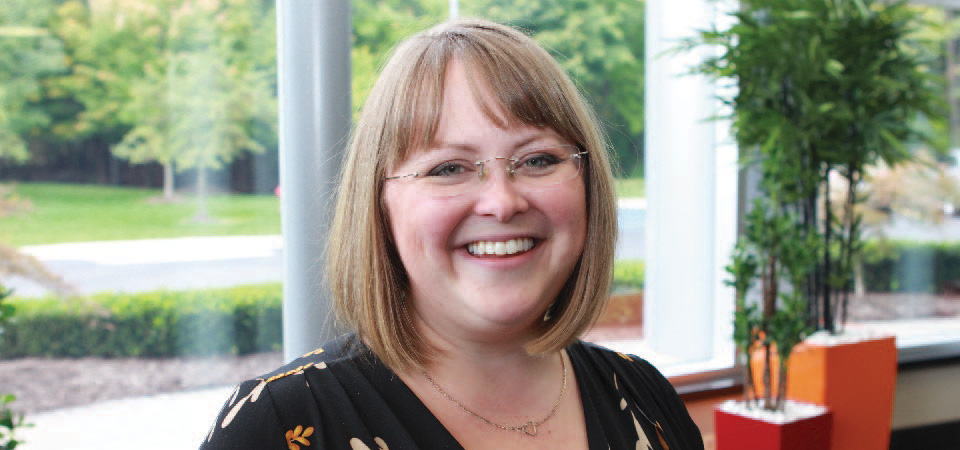
In the early 2000s, I sat in an undergraduate microbiology lab and caught the bug. It was not a laboratory-acquired infection, but inspiration from a world only seen under the microscope.
The order and the vast unknown was intriguing, leading me to expand my understanding of all things small with courses in parasitology and cell biology. At the same time, I began to realize just how much was left to be discovered. It was an exciting time in molecular biology. The human genome, approximately 3 billion nucleotides, was on the cusp of being sequenced for the first time, and it seemed as if new tools and technologies were revolutionizing the industry on a regular basis. However, pursuing microbiology as a career ultimately came down to the amount of human suffering that these pathogens still caused.
Pouring myself into the science
I knew I had found my calling after seeing people suffer from of the same diseases that humans were suffering from hundreds of years ago, including plague, measles, tuberculosis, filarial disease, and so much more. Diving deeper into my studies, a degree in biology suddenly became a portal, a way to help people who needed it.
In my mind, medical research was the way to address these issues, and that is how doctorate studies became a reality – applying my skillset to the academic machine to help produce change. I learned so much in the lab, everything from sterile procedure to cell culture and experimental design, and much more. Nevertheless, I found that I loved critical thinking the most.
I am extremely grateful to those that take on the mammoth responsibilities and challenges of basic science research, but I also saw the effects that a lack of funding can have.
Moving to the other end of the drug development pipeline
One day, I read a statement from the World Health Organization (WHO) regarding superbugs, and an early warning that if new antibiotics weren’t developed, the public would soon regularly be facing infections with no cures. Looking closer, this was already happening – people were dying from infections that were once considered treatable.
I wanted to do something to help make a difference in the lives of patients. I began looking into “alternative career paths” and eventually found medical writing.
Making a difference through medical writing
It was as a medical writer that I first began to develop drugs in earnest. While the industry is a demanding one, I have learned from excellent mentors, a large amount of self-study, and countless training hours to understand the regulations and how to help sponsors bring treatments to market.
Medical writing allowed me to take part – no matter how big or small – in some exiting breakthroughs, including new drugs to treat old diseases in adults and children. It was in 2017 that my career came full circle when I supported the writing of a new drug application (NDA) that led to the approval of omadacycline, a tetracycline class antibacterial.
It was incredible to play a part in the development of a drug that will make the type of difference I was inspired to pursue all those years ago in an undergraduate laboratory.
Developing treatments, therapies, and sometimes, cures, is what medical writing is about. There are now treatments that can be used for whoever may need them, whether someone in my family or a stranger on the other side of the world, that I helped make available. That is what makes this end of the drug development pipeline the right end for me.
by Amanda Beaster, Ph.D.
About the author
Amanda Beaster, Ph.D. is Senior Technical Manager, Medical and Regulatory Writing at MMS based in Canton, Mich. Dr. Beaster is a thought leader in pharmaceutical industry regulations and earned her doctorate in philosophy, microbiology and immunology, from the University of South Alabama. Fun fact: Dr. Beaster initially wanted to have a career as a journalist for National Geographic magazine.
Suggested For You

perspectives
July 30th, 2024
The Critical Role of Quality Control (QC) – Medical Writing and Beyond
perspectives
July 23rd, 2024
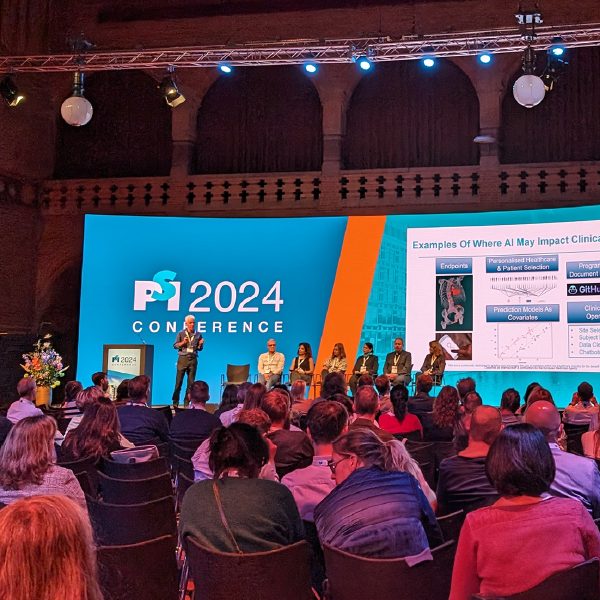
PSI 2024 Ignited Conversations on External Data Sources, Requirements for Estimands, and Bayesian Methodology for Statisticians in Pharma

perspectives
July 16th, 2024
Key Steps to Successful CMC Authoring of IND and IMPD Submissions

perspectives
July 9th, 2024
Managing RTOR Submissions: How to Run a Successful Race from the Top Line Starting Line

perspectives
July 2nd, 2024
Part 1: RWD Noninterventional Study Design and FDA Engagement Opportunity for Early Stage Oncology

perspectives
June 21st, 2024
Peer-Reviewed Journal Articles: The Crucial Role of Publication in the Pharmaceutical Industry

perspectives
June 14th, 2024
A Structured Approach to Benefit-Risk Assessment Throughout Product Development in the Pharmaceutical Industry

perspectives
June 6th, 2024
Datacise and Diversity in Patient Enrollment: Combining Geospatial and Demographic Data to Aid Site Selection

perspectives
May 29th, 2024
Confined Deferrals in Clinical Trial Applications: Anticipating the Revised EU CTR Transparency Rules
perspectives
May 21st, 2024
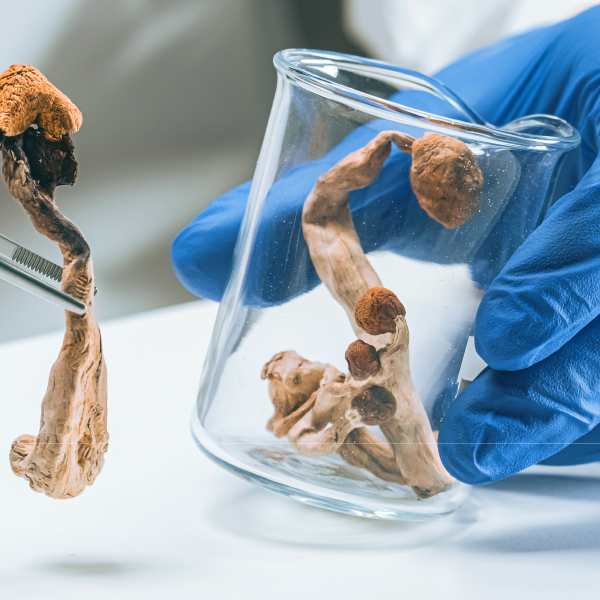
Psychedelics and Regulatory Considerations Part II: A Shift in Lexicon and Implications of “Nonmedical Use” On Labelling
perspectives
May 10th, 2024
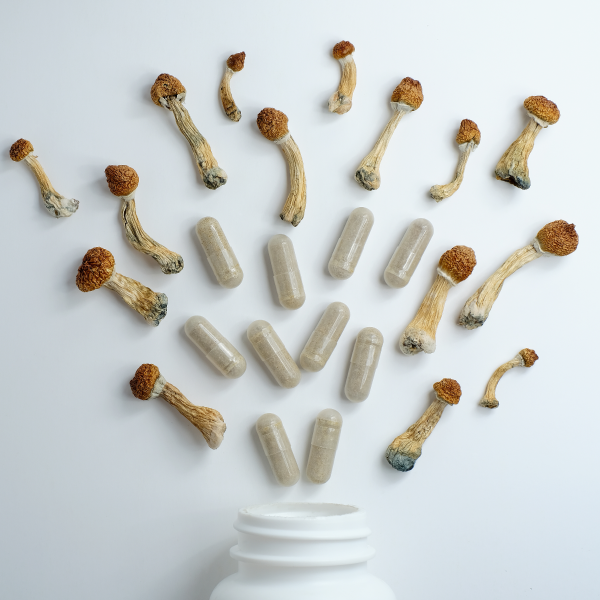
Psychedelics in Drug Development and Regulatory Considerations Part I: Benefit-Risk

perspectives
April 29th, 2024
Validation of Clinical Dashboards for Decision Making